
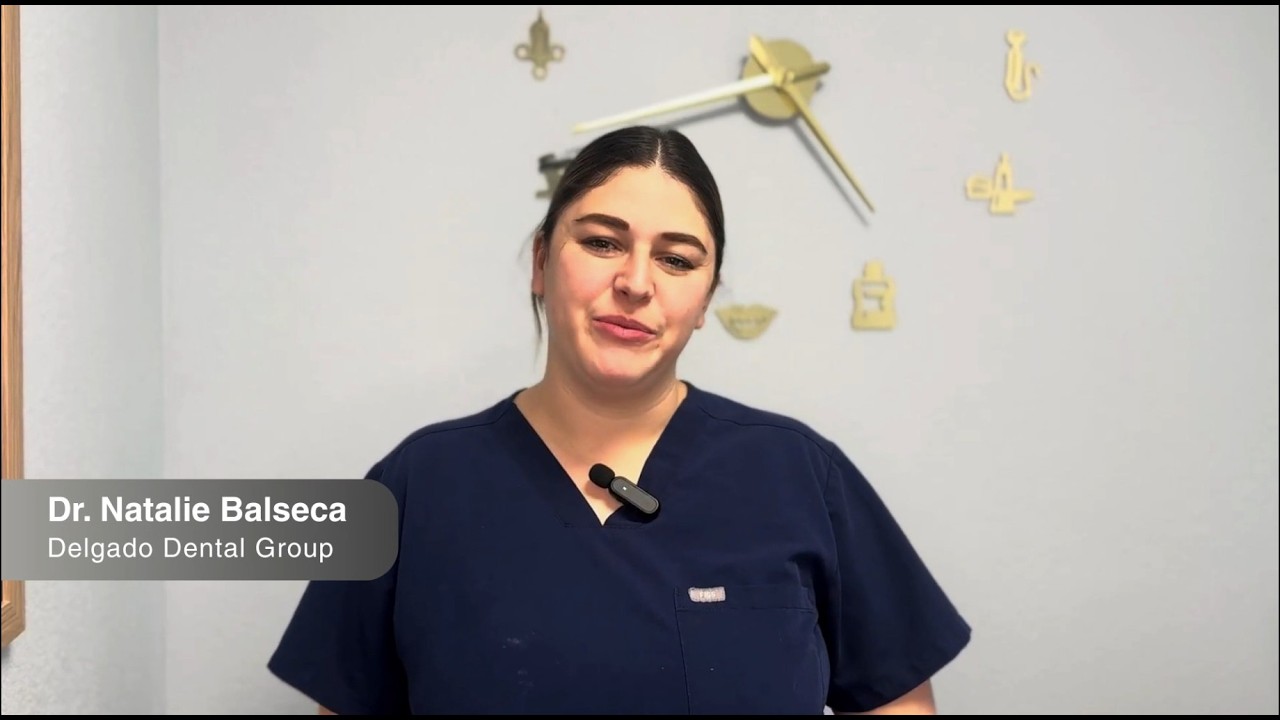
What is sleep apnea?
Sleep apnea is a condition where, when you are sleeping, you have a partial or full obstruction of your airway, and oxygen is not able to properly get through your airway to breathe. During this time, when you have the obstruction, it can affect your blood oxygen level, which is the amount of oxygen in your blood that circulates through the body. This is bad because when your blood oxygen drops, your body is not getting the oxygen that you need.
Who is at risk for sleep apnea?
Anyone can have sleep apnea, from infants and newborns to the elderly. There's no restriction on who can get it. You could be a very fit and thin female, or you can be a middle-aged male. Anyone is at risk for it. It has to do with the anatomy of your throat and any obstructions that could be contributing to your airway.
How does sleep apnea tie into my oral health, or how does it affect it?
Dentists are some of the first people to catch sleep apnea in patients because we see a lot of the side effects in the mouth. One of the most common ones is teeth grinding, or what we call bruxism. When you grind your teeth over and over, we start to see a lot of wear on the teeth. This is because when you stop breathing in the middle of the night, one of the ways your body compensates to get oxygen is by thrusting your jaw forward and backward.
Often, we see wear on the front of the teeth on the top and bottom. This is because your body is doing this in the middle of the night. You're probably not even aware of it, but as dentists, we're able to see that wear easily in the mouth.
Another condition or side effect from sleep apnea that goes alongside teeth grinding is TMJ pain or disorders. This results from the abnormal jaw thrusting and teeth grinding or clenching in the middle of the night or even throughout the day, leading to jaw pain in the joint and muscles. Sleep apnea also ties into your overall health. With sleep apnea, it puts you at higher risk for heart disease, stroke, heart attack, and also higher risk for systemic diseases like diabetes. All of these heart conditions and systemic diseases tie into your oral health as well because the body is all connected. Someone at higher risk for diabetes might be at higher risk for periodontal or gum disease.
How can a dentist help diagnose and treat sleep apnea?
Dentists are often the first to see the signs of sleep apnea. When we do, we want to do a great job of educating the patient, asking questions about your sleep habits, sleep health, and just a general history of any past problems you may have had. We also want to know if you have been previously tested or diagnosed with sleep apnea and if you are using a CPAP or what kind of treatment you are doing to treat your sleep apnea.
If you haven't been diagnosed with sleep apnea, but we're seeing many signs and symptoms, we will recommend a sleep test. There are two types of sleep tests. You can do a home sleep test in the comfort of your own home. We have a provider we work with that provides the sleep test for you, so you don't have to go into a clinic. The other option is an in-clinic test that is overnight with your doctor. Sometimes that's a barrier for patients because they don't want to sleep in a clinic. That is why we offer the home sleep test as well. It's very accurate, and dentists cannot diagnose sleep apnea, but we work with a sleep physician who does a full evaluation of all the data we get from your sleep test, and he is the one who will diagnose.
If you have sleep apnea or have many signs and symptoms of it or another condition called upper respiratory distress, which is almost sleep apnea but not quite, there are different treatment options to improve your quality of life, sleep, and fatigue from sleep apnea. The two FDA-approved options are a CPAP machine and an oral sleep appliance. A CPAP machine is like a mask with either a nose piece or something that goes over your mouth. It provides oxygen through pressure during your sleep.
The other FDA-approved option, which we can provide as dentists, is called an oral sleep appliance. This appliance helps prop your jaw slightly forward, opening up the airway so that you can breathe easier and more thoroughly in the middle of the night and get the oxygen. The sleep device is great because it also corrects the conditions of grinding because it has your jaw fixed in a forward position, and by moving the jaw forward 1 millimeter, it opens up your airway 3 mm. Depending on the severity of the sleep apnea—mild, moderate, or severe—the sleep physician will make a recommendation on whether you're a candidate for the CPAP or if you'd be a candidate for an oral sleep appliance.
Can oral surgery correct sleep apnea?
There are many ways to improve the severity and symptoms of sleep apnea, and sometimes there might be some things going on in the mouth that we can do surgery to correct. One of the overall root problems of sleep apnea is what we call restrictive oral tissue found in the mouth, either underneath the tongue, lips, or cheeks, and what we call a tongue tie.
Sometimes, if a patient has a tongue tie, we often see this associated with sleep apnea. This is when the base of the tongue is overly attached, and the tongue cannot get up and out of their airway. I have seen where getting what we call lingual frenectomies done has helped improve the conditions of sleep apnea because it gets to the base of the problem when the tongue is overly attached and obstructing the airway or falling back because it can't get up and out of the airway. Doing what we call a functional tongue release can help improve the symptoms and severity of sleep apnea.
If you're someone who has been struggling with your sleep, maybe you have insomnia, can't fall asleep, can't stay asleep, or sleep through the whole night but wake up very exhausted, tired, and fatigued, give us a call. We can do a sleep evaluation for you, see if you have the signs and symptoms of sleep apnea, and come up with a game plan to help you get better quality sleep and quality of life.
If you’re ready to schedule an exam or would like to learn more about our services, we’d love to hear from you. Call us at (209) 474-8888 or email [email protected]. We look forward to caring for your smile.